
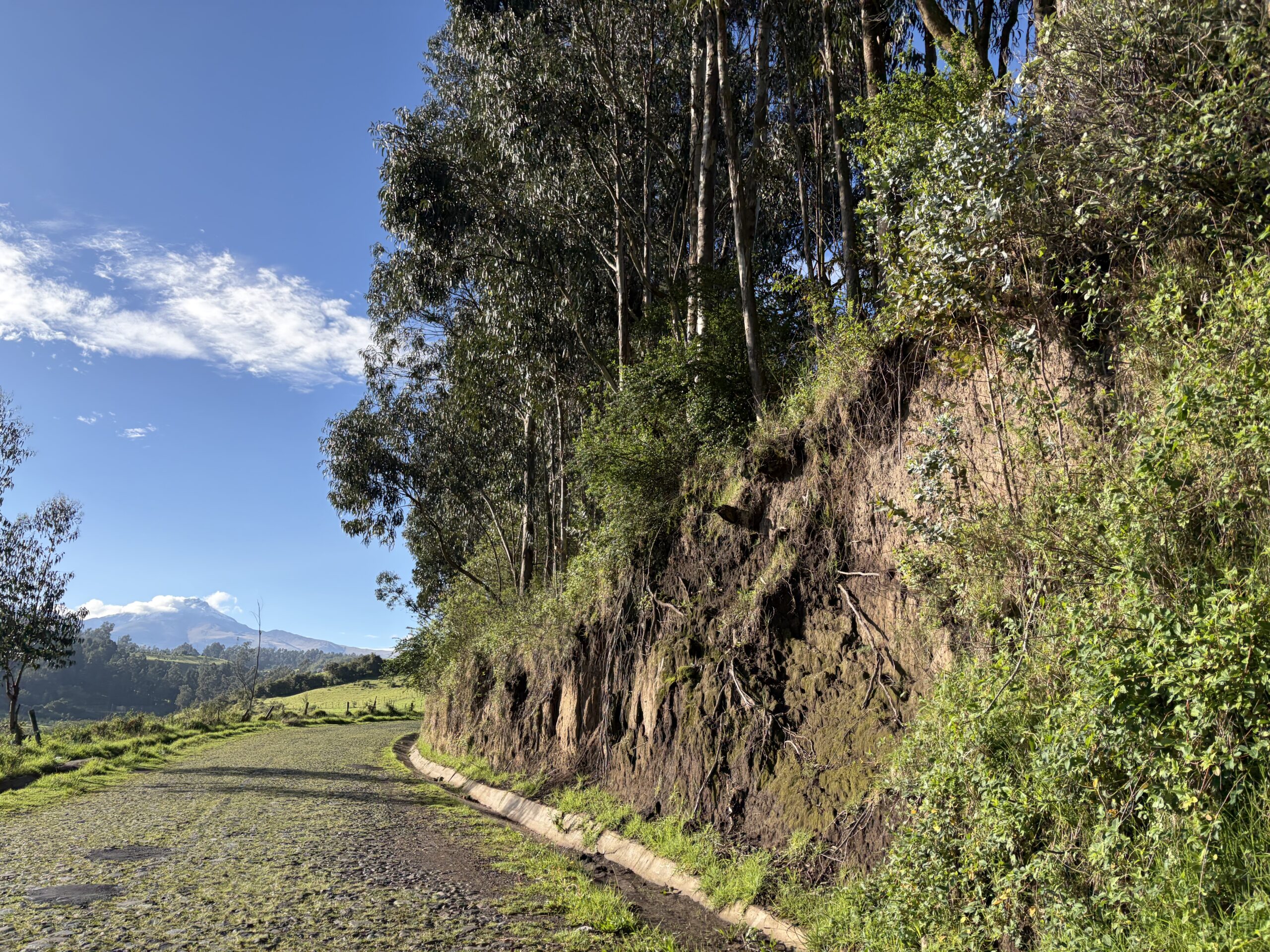

Planning a trip to Ecuador? This complete 7-day Ecuador itinerary covers everything you need to know for visiting Quito, Cotopaxi National Park, and Baños. Ecuador offers incredible variety in a compact area, you can experience historic cities, active volcanoes, Andean landscapes, and waterfall-filled valleys all in one week.
What surprised me most about this Ecuador trip was how easy it was to experience all of this without overplanning. This itinerary came together in less than two weeks, proving you don’t need months of research to have an amazing Ecuador adventure. From hiking Cotopaxi National Park to chasing waterfalls in Baños and exploring Quito’s diverse neighborhoods, each stop felt distinct and rewarding.
This complete Ecuador travel guide covers exactly how we spent seven days traveling through Quito, Cotopaxi National Park, and Baños, including where to stay, how to get around, daily itineraries, and insider tips I wish I’d known before visiting Ecuador.
In This Ecuador Travel Guide:
- Where to Stay in Quito, Cotopaxi, and Baños
- Transportation Options: Renting a Car vs. Private Drivers in Ecuador
- Day by Day 7 Day Ecuador Itinerary
- Best Things to Do in Cotopaxi National Park
- Top Activities and Attractions in Baños
- Ecuador Travel Tips: What I Wish I’d Known
Where to Stay and How to Get Around for This Ecuador Itinerary
Before getting into the day-by-day breakdown, it helps to understand where to base yourself and how to move between destinations. Ecuador is surprisingly easy to travel through. The towns on this itinerary are well connected, and the major routes are straightforward.
Where to Stay in Ecuador: Best Hotels in Quito, Cotopaxi & Baños
Best Neighborhoods and Hotels in Quito, Ecuador
We stayed in two different Quito neighborhoods, which gave us a well-rounded view of Ecuador’s capital city.
La Floresta, Best for First Time Visitors
For the start of our Ecuador trip, we stayed at NH Collection Quito in the La Floresta neighborhood. This area is ideal for first time visitors to Quito. La Floresta has a relaxed, creative atmosphere with excellent cafés, tree lined streets, and plenty of places to explore on foot. The neighborhood feels residential yet well connected, making it easy to navigate Quito using Uber or taxis.
La Mariscal, Best for Character and Dining
On our final night in Quito, we stayed at Chakana Hotel in La Mariscal, and this quickly became one of the highlights of our entire Ecuador trip. While Cotopaxi was my favorite overall stay, Chakana was a close second. The boutique hotel is beautifully designed with authentic character, and the owner provided incredibly attentive, personalized service from arrival to departure. Their on-site restaurant, Uku Pacha, serves excellent food—I genuinely wish we had planned more than one night here.
Where to Stay Near Cotopaxi National Park
We spent two nights in the Cotopaxi region, and I strongly recommend doing the same if your Ecuador itinerary allows. While visiting Cotopaxi as a day trip from Quito is possible, staying overnight makes the experience far more relaxed and immersive, plus it increases your chances of seeing the volcano on a clear day.
Hacienda Los Mortiños became one of the most memorable accommodations of our entire Ecuador trip. This lodge sits in a wide open landscape where Cotopaxi volcano dominates the view whenever skies are clear. The property offers horseback riding, comfortable rooms, and that rare combination of rustic charm and genuine comfort that’s hard to find.
Tip: Weather around Cotopaxi changes rapidly. Staying two nights gives you multiple opportunities to see the volcano without cloud cover, something you’ll appreciate when planning your Cotopaxi National Park hike.
Best Place to Stay in Baños, Ecuador
Baños is compact, walkable, and packed with outdoor activities. Staying near the town center puts you within easy reach of restaurants, cafés, and activity operators.
We stayed at Hotel De Mi Pueblo, which worked perfectly as our Baños base. The central location meant we could walk to most places, and it offered good value for the quality provided.
How to Get Around Ecuador: Transportation Guide
Ecuador is surprisingly easy to navigate, especially along the Quito-Cotopaxi-Baños route covered in this itinerary. Here’s what you need to know about transportation options in Ecuador.
Renting a Car in Ecuador
We chose to rent a car for this Ecuador itinerary, and overall it was the right decision. The highway drives between Quito, Cotopaxi National Park, and Baños were straightforward and scenic. However, within Quito itself, we found Uber and taxis much easier than driving and dealing with city parking.
Important: Google Maps may direct you toward a rougher, more difficult route when approaching Cotopaxi National Park. Always ask your accommodation which park entrance to use, this single tip will save you significant stress.
Ecuador car rental costs: Expect to pay approximately $40-70 per day for a standard vehicle, though prices vary by season. A 4×4 costs more but is highly recommended if you plan to drive inside Cotopaxi National Park.
Using Uber and Taxis in Quito
Uber operates reliably throughout Quito and is the easiest way to navigate the city. Rides are affordable, drivers are generally professional, and the app works just like it does in other countries. For travel outside Quito to places like Cotopaxi or Baños, Uber isn’t practical—you’ll need a rental car or private driver.
Hiring Private Drivers in Ecuador
If you prefer not to drive in Ecuador, private drivers are easy to arrange and reasonably priced. Most hotels and haciendas can connect you with trusted drivers via WhatsApp. This is an excellent option for day trips to Cotopaxi National Park or transfers between cities, and it’s especially worth considering for the challenging drive up to Refugio José Rivas inside Cotopaxi National Park.
7-Day Ecuador Itinerary: Day-by-Day Guide
Day 1: Arriving in Quito – Exploring La Floresta & Chocolate Tasting
Quito Itinerary Highlights: La Floresta neighborhood walk, dinner at De La Llama, hot chocolate at Pacari Experience House
We arrived in Quito in the late afternoon and headed straight to our hotel in La Floresta. We were tired from travel and already starting to feel the altitude, but we still wanted to get outside and explore a bit instead of going straight to bed.
Walking through La Floresta gave us a gentle introduction to Quito. The neighborhood feels calm, safe, and easy to navigate, which made it a great place to land on the first night without feeling overwhelmed.
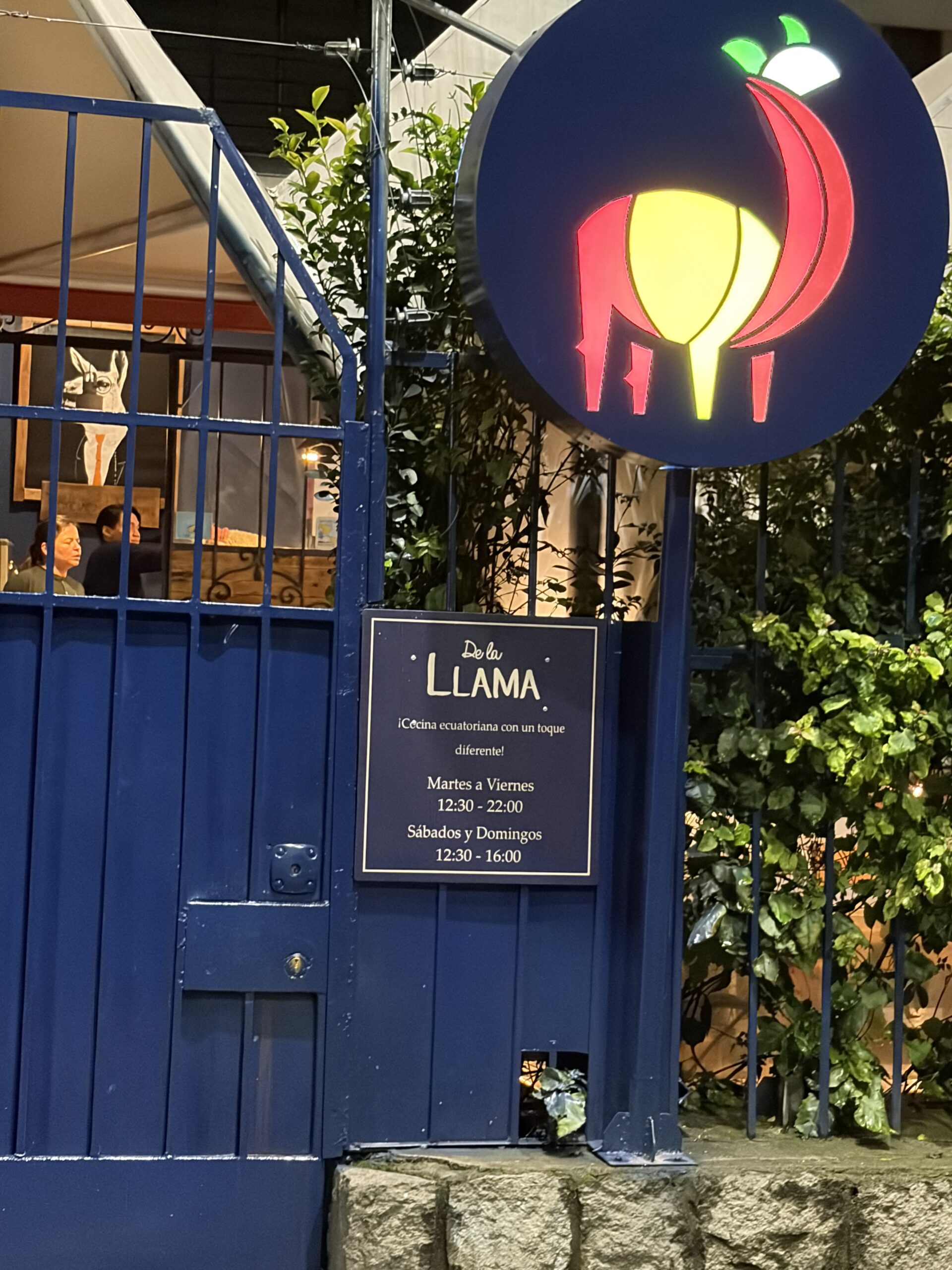
Where to eat in Quito: We had dinner at De La Llama, which served some of the best food we ate during our entire Ecuador trip. The restaurant offers excellent vegetarian and non-vegetarian options, with everything expertly prepared. This became one of our favorite Quito meals, and I highly recommend it for your first night in Ecuador.
After dinner, we stopped at Pacari Experience House for Ecuadorian hot chocolate. This cozy spot specializes in Ecuador’s famous cacao, and sipping rich hot chocolate felt like the perfect low-key way to end our first evening. Ecuador produces some of the world’s finest chocolate, so don’t miss opportunities to taste it throughout your trip.
Altitude tip: Take it easy on your first day in Quito. The altitude affects most visitors, so avoid overexertion, stay hydrated, and consider coca tea to help with acclimatization.
Day 2: Quito to Cotopaxi National Park – Arriving at Hacienda Los Mortiños
Cotopaxi Itinerary Highlights: Scenic drive to Cotopaxi, horseback riding with volcano views, settling into the hacienda
We departed Quito early morning and drove toward Cotopaxi National Park. The drive was scenic and straightforward, taking approximately 1.5-2 hours along well-maintained highways. The landscape gradually opens up as you leave the city, and then suddenly Cotopaxi volcano appears in the distance.
Seeing Cotopaxi for the first time genuinely stops you in your tracks. The volcano is massive, perfectly cone-shaped, and constantly surrounded by shifting clouds that make it feel both powerful and mysterious.
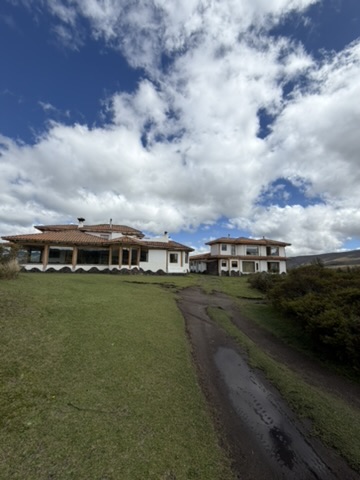
Checking into Hacienda Los Mortiños immediately changed the pace of our Ecuador trip. The property is wonderfully quiet and expansive, with uninterrupted views of Cotopaxi volcano when skies are clear. Simply sitting on the property and watching the light change on the volcano became one of my favorite Ecuador experiences.
Best activity in Cotopaxi: That afternoon, we went horseback riding around the hacienda property. Riding through the open Andean landscape with Cotopaxi towering in the background was easily one of the top highlights of our entire Ecuador itinerary. Most haciendas near Cotopaxi offer horseback riding, and I cannot recommend it enough—it’s the perfect way to experience the páramo ecosystem.
The rest of Day 2 was spent relaxing, walking the grounds, and watching clouds move across the volcano. By evening, it was absolutely clear that staying overnight near Cotopaxi rather than day-tripping was the right choice.
Day 3: Cotopaxi National Park – Refugio José Rivas Hike & Laguna Limpiopungo
Best things to do in Cotopaxi National Park: Hike to Refugio José Rivas, visit Laguna Limpiopungo, lunch at Hacienda El Porvenir
This was our full day inside Cotopaxi National Park and ended up being the absolute highlight of the entire Ecuador trip.
Hiking to Refugio José Rivas on Cotopaxi Volcano
The Refugio José Rivas hike is one of the most popular activities in Cotopaxi National Park. The trail is only about 1 mile (1.6 km) from the parking area to the refuge at 4,864 meters (15,953 feet), but it’s extremely steep and physically demanding because of the altitude.
Important driving note: The road up to the Refugio trailhead parking area was honestly one of the scariest drives of our entire Ecuador trip. The road is extremely steep in sections, full of deep potholes, and conditions change rapidly as you gain elevation. Fog rolled in and out constantly, and visibility could drop to nearly zero within minutes.
My recommendation: If I were planning this Ecuador itinerary again, I would absolutely hire a driver just for this portion, even if I drove everywhere else myself. If you do decide to drive, a 4×4 is essential—not optional. The road requires high clearance, and having four-wheel drive provides crucial peace of mind on the steep, loose sections.
The Cotopaxi hike experience: Hiking on Cotopaxi volcano feels completely different from typical mountain trails. The ground consists of dark volcanic sand and loose rock, and every step feels heavier than expected because of the thin air at nearly 5,000 meters elevation. Being on the volcano itself, surrounded by black volcanic terrain and swirling clouds, made the experience feel intense and utterly unique.
The altitude affects everyone differently. We moved slowly, took frequent breaks, and focused on steady breathing. Even if you don’t make it all the way to the refuge, simply being on Cotopaxi’s slopes is remarkable.
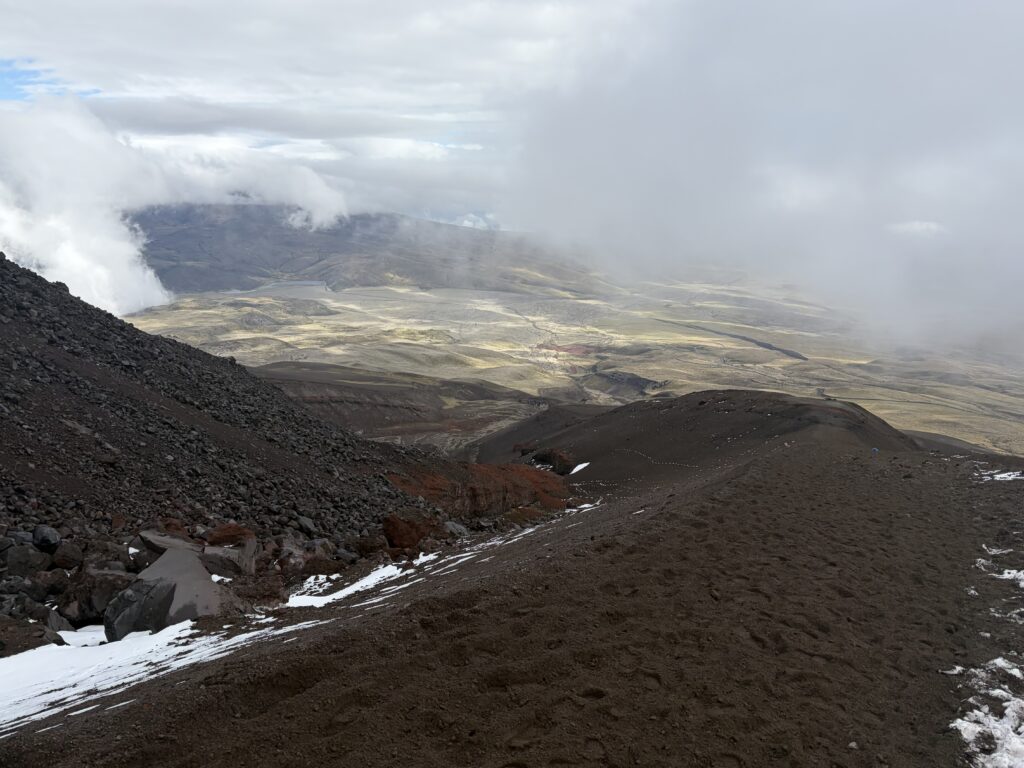
Laguna Limpiopungo
After descending from the Refugio hike, we drove back down (much easier than driving up!) and stopped at Laguna Limpiopungo. This beautiful lake sits within Cotopaxi National Park at a much lower elevation, making the flat walk around the lake feel effortless after the steep volcanic climb earlier.
The lake offers different perspectives of Cotopaxi and opportunities to spot Andean birds and occasionally wild horses. It’s an easy, accessible stop that provides a perfect contrast to the intense Refugio hike.
Lunch at Hacienda El Porvenir
Later that afternoon, we visited Hacienda El Porvenir by Tierra del Volcán for a meal. Even though we weren’t staying there, the hacienda was absolutely worth visiting. The setting is stunning, the food excellent, and it gave us another perspective on the Cotopaxi region before returning to our lodge.
This day inside Cotopaxi National Park—actually climbing on the volcano rather than just viewing it from a distance—made this Ecuador itinerary feel powerful and unforgettable.
Day 4: Cotopaxi to Baños – Exploring Baños Town
We departed Cotopaxi around 8 a.m. and arrived in Baños by late morning. The drive from Cotopaxi to Baños takes approximately 2-2.5 hours and showcases another dramatic landscape shift—from open Andean páramo into much greener, more enclosed valleys as you descend toward Baños.
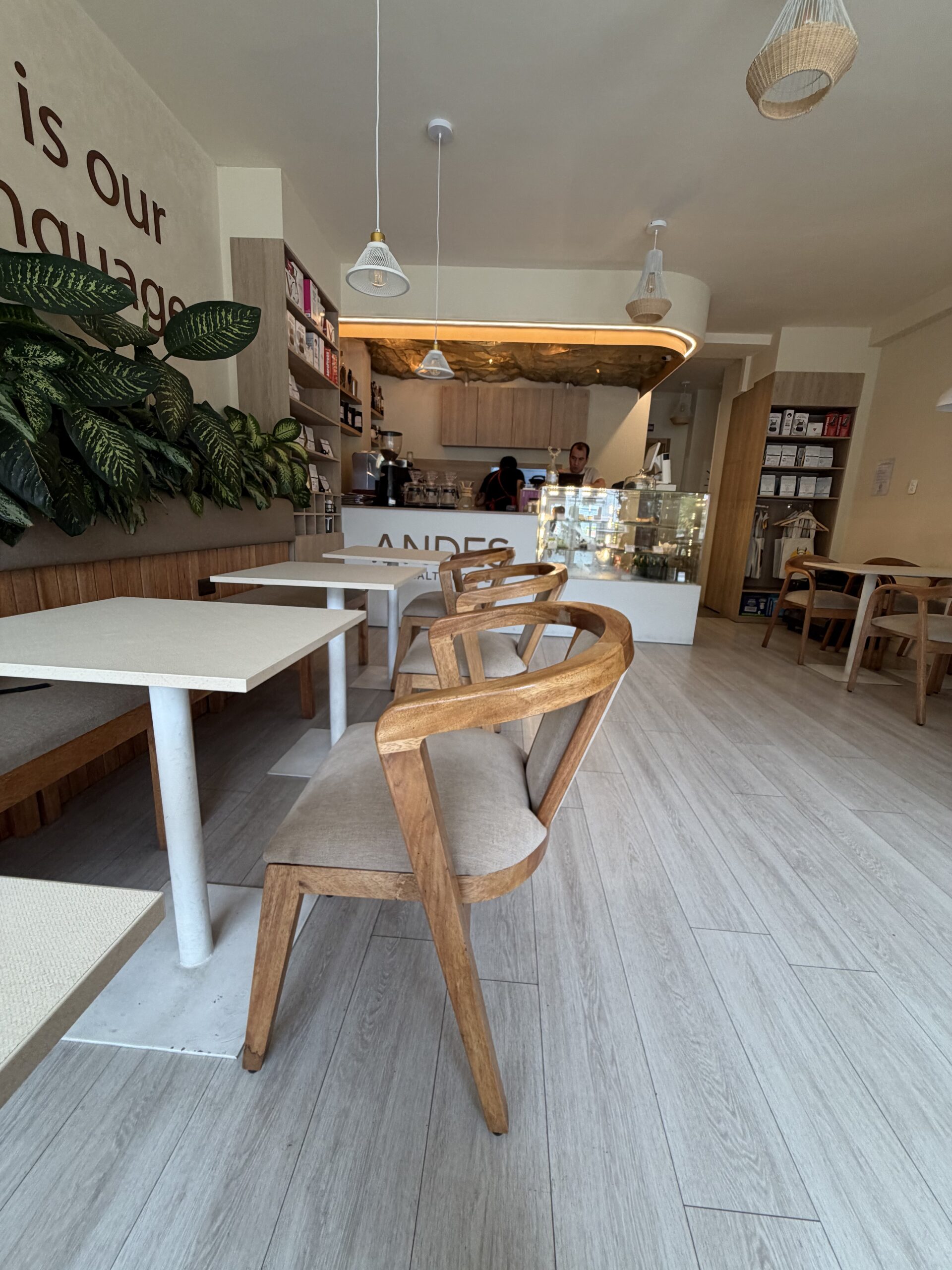
Coffee stop in Baños: We stopped at Andes Specialty Coffee shortly after arriving. Not long after, rain started falling, which immediately slowed our plans for the day. Instead of pushing through weather, we embraced the slower pace and took an afternoon break. After the intensity of Cotopaxi National Park, the downtime actually felt welcome.
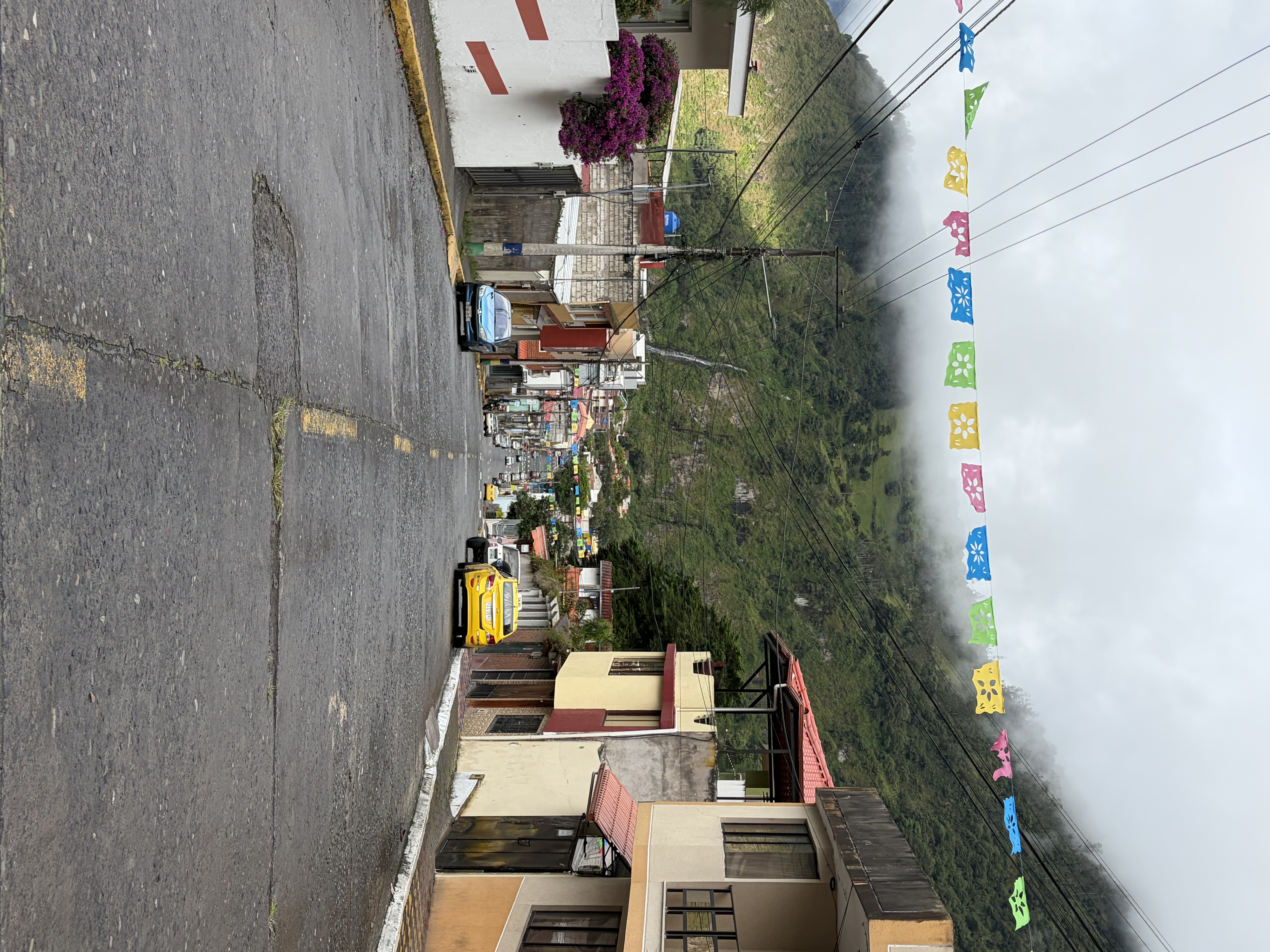
Once the rain eased later that afternoon, we explored Baños on foot. The town is more compact than it initially appears but surprisingly hilly—even casual walks around town feel more active than expected. Baños has completely different energy from both Quito and Cotopaxi: more lively, more touristy, and entirely centered around outdoor activities.
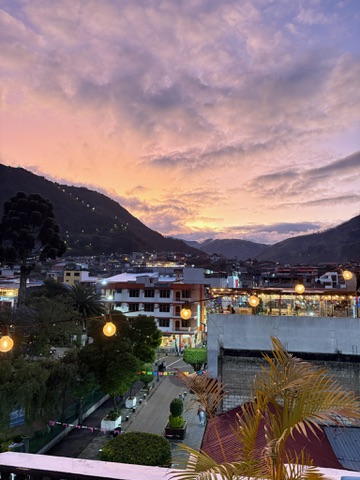
Best views in Baños: In the evening, we went to Crater Rooftop for drinks. The elevated views from this rooftop bar are excellent and give you a real sense of how Baños sits nestled into the surrounding mountains. It’s a great spot for sunset if weather cooperates.
We ended the night with dinner at My Veg Restaurant. The food was tasty, portions were generous, and it provided an easy, no-frills way to wrap up our first day in Baños.
In the evening, we went to Crater Rooftop for drinks. The views from up there were excellent and gave us a great sense of how Baños sits tucked into the surrounding mountains. It felt like a good introduction to the area before jumping into more activities over the next couple of days. We ended the night with dinner at My Veg Restaurant. The food was good, the portions were huge, and it was an easy, no-frills way to wrap up the day.
Day 5: Casa del Árbol & Ruta de las Cascadas – Full Day Exploring Baños
Top things to do in Baños: Casa del Árbol (Swing at the End of the World), Ruta de las Cascadas waterfall route, Pailón del Diablo waterfall
This was one of my favorite days in Baños —packed with iconic Baños activities but never feeling rushed.
Casa del Árbol – The Swing at the End of the World
We started early and headed up to Casa del Árbol, also known as the Swing at the End of the World. We took a taxi initially because we weren’t sure about parking, but it turned out driving would have been completely fine. There’s ample parking near the entrance, and the road up is straightforward.
The swing itself is fun and makes for great photos, but what really stood out were the panoramic views over the surrounding mountains and valleys. It’s become one of Baños’ most famous attractions for good reason—it’s a classic Ecuador experience and worth the visit.
Pro tip: Arrive early (by 9 a.m. if possible) to avoid crowds and get better lighting for photos. The site opens around 8 a.m.
Before continuing our day, we grabbed arepas to go for lunch from a small spot in town. They were so good that we returned a second time during our Baños stay, which says everything you need to know.
Ruta de las Cascadas – The Waterfall Route
After Casa del Árbol, we spent the rest of the day exploring the Ruta de las Cascadas (Route of the Waterfalls). This scenic route stretches from Baños toward Puyo and passes numerous impressive waterfalls along the way.
Biking vs. Driving the Ruta de las Cascadas: Many travelers rent bikes and cycle the waterfall route, which can make for a full-day adventure. We chose to drive instead, and I’m genuinely glad we made that choice. Several sections require biking directly on the highway with blind curves and trucks passing through—personally, I wouldn’t have felt safe doing that on a bike.
Driving gave us flexibility to stop wherever we wanted, take our time at each waterfall, and continue at our own pace without feeling rushed or unsafe.
Pailón del Diablo Waterfall
One of the absolute highlights was Pailón del Diablo (Devil’s Cauldron), one of Ecuador’s most impressive waterfalls. The walk down to the waterfall viewing platforms involves stairs and some elevation change, but it’s well worth the effort. Being near the powerful cascade and feeling the mist is an unforgettable Ecuador experience.
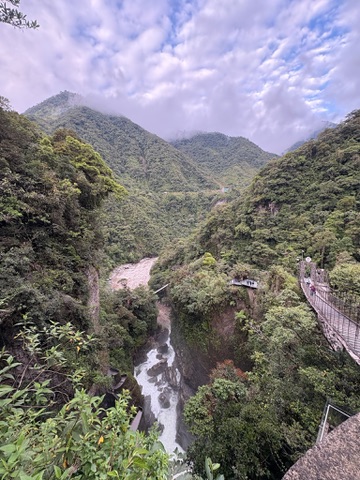
There’s a small entrance fee (usually $2-3 USD), and the paths can be slippery near the water, so wear appropriate footwear.
That evening, we stopped at another bar in Baños for drinks and grabbed dinner nearby. It was a full, active day, but it felt well-balanced and showcased exactly why Baños is such a popular stop on Ecuador itineraries.
Driving gave us the flexibility to stop where we wanted and take our time without feeling rushed. One of the highlights was Pailón del Diablo, which is impressive up close and well worth the walk down. Being near the waterfalls and moving at our own pace made the day feel active but not overwhelming.
That evening, we stopped at another bar in town for drinks and then grabbed dinner nearby. It was a full day, but it felt well balanced and ended up being one of my favorite days in Baños.
Day 6: Ziplining in Baños & Café del Cielo
Baños activities: Ziplining, hiking, Café del Cielo for views and coffee
We spent another full day enjoying Baños and focused on ziplining in the morning. Instead of booking through a tour company in town, we drove directly to the ziplining location ourselves (there are several options around Baños). This approach gave us much more flexibility with timing and saved some money compared to organized tours.
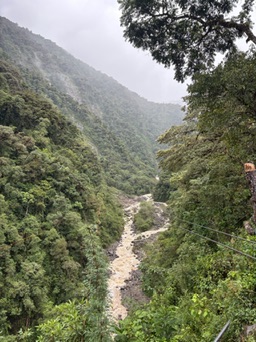
The ziplining itself was exciting and added an adventurous element to our Ecuador trip without feeling overly intense or requiring extreme fitness levels. Afterward, we went on a hike in the area, which helped slow the pace back down and balance out the morning’s adrenaline.
Best café in Baños: Later that afternoon, we stopped at Café del Cielo. The views from this hillside café are beautiful, and it’s an ideal place to relax and take in the surrounding mountains after a more active day. It’s one of those spots where you naturally linger longer than planned—the coffee is excellent, and the atmosphere is perfect for unwinding.
We kept the rest of the evening low-key, knowing we had a drive back to Quito the following day and wanting to end our Baños experience on a relaxed note.
Day 6: Ziplining, Hiking, and Café del Cielo
We spent another full day in Baños and focused on ziplining. Instead of booking through a tour company, we drove directly to the ziplining spot ourselves. It was easy to find and gave us much more flexibility with timing.
The ziplining itself was a lot of fun and added a more adventurous element to the trip without feeling overly intense. Afterward, we went on a hike, which helped slow things back down and balance out the morning’s activity.
Later in the day, we stopped at Café del Cielo. The views from here were beautiful, and it was a great place to sit, relax, and take in the surroundings after a more active day. It felt like one of those stops where you naturally linger longer than planned. We kept the rest of the evening easy, knowing we had a drive the next day.
Day 7: Baños to Quito – Teleférico & Historic Center
Final day in Ecuador: Drive from Baños to Quito (3-3.5 hours), Teleférico cable car, Quito Historic Center walking tour, chocolate shopping, evening flight
We started our final day by driving from Baños back to Quito. The drive takes approximately 3-3.5 hours along the main highway and felt straightforward after several days of driving around Ecuador. Traffic can build as you approach Quito, so factor in extra time if you have a flight to catch.
Quito Teleférico
Once we arrived in Quito, we went straight to the Teleférico (TelefériQo), Quito’s cable car that climbs to 4,100 meters (13,450 feet) on the slopes of Volcán Pichincha. The views from the top are spectacular, overlooking all of Quito and the surrounding Andean mountains.
We spent considerable time at the top station, walking around and taking in the panoramic views. It’s an excellent way to transition back into city life after several days in more rural areas of Ecuador. The thin air at the top can affect some visitors, so take it easy and stay hydrated.
Quito Historic Center
After the Teleférico, we took an Uber to Quito’s Historic Center (Centro Histórico). This UNESCO World Heritage Site felt completely different from everything else on our Ecuador itinerary. The area is busier, more traditional, and filled with narrow cobblestone streets, colonial architecture, ornate churches, and historic plazas.
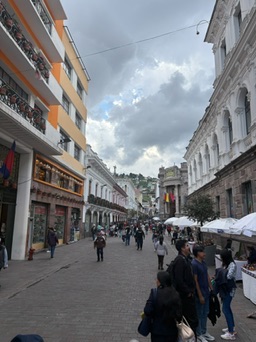
The Historic Center provides an important cultural contrast to the modern neighborhoods where we stayed earlier in the trip. Key sights include Plaza Grande, La Compañía de Jesús church, and Basílica del Voto Nacional, though simply wandering the atmospheric streets is worthwhile.
Chocolate Shopping in Quito
While exploring the Historic Center, we stopped at two chocolate shops to sample and purchase Ecuadorian chocolate. One of them was Huma Chocolate and Coffee Experience, which I highly recommend for anyone who appreciates quality chocolate.
We bought several chocolate bars to bring home, and they became some of my favorite souvenirs from Ecuador. Ecuador produces some of the world’s finest cacao, and purchasing chocolate while you’re here is absolutely worth it—both for yourself and as gifts. The quality is exceptional, and prices are reasonable compared to what you’d pay for similar chocolate elsewhere.
Later that evening, we headed to the airport for our late-night flight home, wrapping up seven days in Ecuador that felt surprisingly full without ever feeling rushed or overwhelming.
Ecuador Travel Tips: What I Wish I’d Known
This Ecuador itinerary worked beautifully for us, but here are several things I learned along the way that would have been helpful to know before the trip.
Cotopaxi Weather and Timing
Should you stay overnight near Cotopaxi or day trip? Spending less time in Cotopaxi is completely viable if your main goal is simply seeing the volcano. A day trip from Quito or one night can work fine for some travelers.
However, Cotopaxi is frequently covered in clouds, and visibility can change dramatically throughout the day. We stayed two nights (three days total), and only the first day offered fully clear views. We didn’t hike that day, and in hindsight I genuinely wish we had, because it ended up being our clearest view of the volcano.
My recommendation: If Cotopaxi National Park is an important part of your Ecuador trip, staying overnight (ideally two nights) significantly increases your chances of experiencing clear weather and seeing the volcano without cloud cover. This is especially important if hiking to Refugio José Rivas is on your list.
Driving Inside Cotopaxi National Park
Driving within Cotopaxi National Park feels vastly different from the straightforward highway drives elsewhere in Ecuador. The road up to Refugio José Rivas is extremely steep, uneven, full of deep potholes, and fog can roll in within minutes, reducing visibility to nearly zero.
If I were planning this Ecuador itinerary again: I would hire a driver specifically for this portion of the trip, even if I drove everywhere else myself. The road requires genuine 4×4 capability, and having an experienced local driver familiar with conditions adds significant peace of mind.
If you do plan to drive yourself, having a 4×4 vehicle is essential—not optional. The road requires high clearance and four-wheel drive capability.
How Much Time You Need in Baños
How long you spend in Baños really depends on what activities you want to do. If you plan multiple adventures like ziplining, biking the Ruta de las Cascadas, canyoning, rafting, or extensive hiking, then two to three nights in Baños makes perfect sense.
However, if you’re not planning many guided activities or outdoor adventures, you could easily shorten your time in Baños and add another destination to your Ecuador itinerary instead.
Language consideration: Many tours and activities in Baños operate primarily in Spanish. If you’re not planning to join organized tours or if language barriers are a concern, you may not need as much time in Baños as initially planned.
Consider Adding Mindo Cloud Forest
We originally planned to include a day in Mindo Cloud Forest on this Ecuador itinerary, but ultimately decided against it because it would have added significant driving time to an already full week.
If you want to include Mindo: It works best as a one-night stop from Quito, either at the beginning or end of your Ecuador trip. Mindo is quieter and less touristy than Baños and is renowned for cloud forest hikes, incredible hummingbird watching, waterfalls, and chocolate experiences.
Adding Mindo requires rearranging this itinerary and accepting more time on the road, but it’s an excellent option for nature lovers and bird watchers. Mindo sits about 2 hours northwest of Quito.
Altitude Acclimatization Tips for Ecuador
Ecuador’s high elevations affect most visitors at some point. Quito sits at 2,850 meters (9,350 feet), and Cotopaxi’s refuge hike reaches nearly 5,000 meters (16,400 feet).
Tips for dealing with altitude in Ecuador:
- Take it easy on your first day in Quito—don’t overexert yourself
- Stay well hydrated throughout your trip
- Consider drinking coca tea, which many Ecuadorians use for altitude adjustment
- Avoid alcohol on your first day at high elevation
- If you feel altitude sickness symptoms (headache, nausea, dizziness), rest, hydrate, and descend if symptoms worsen
Best Time to Visit Ecuador
Ecuador can be visited year-round, but understanding seasonal patterns helps with planning:
Dry season (June-September): Generally considered the best time to visit Ecuador’s highlands and Cotopaxi region. You’ll have better chances of clear skies and good volcano visibility, though weather is never guaranteed.
Wet season (October-May): More rain, especially in the afternoons, but everything is greener and often less crowded. Waterfalls around Baños are more impressive during wetter months.
Our trip timing: We visited in [mention your actual month] and experienced mixed weather—some clear days, some clouds and rain. Ecuador’s weather is famously unpredictable regardless of season, so pack layers and rain gear no matter when you visit.
Final Thoughts on This Ecuador Itinerary
This Ecuador trip came together quickly with minimal advance planning, yet it turned out to be far more rewarding than I expected. The incredible variety we experienced in just seven days—from volcanic highlands to cloud forests to waterfalls—was impressive, and the logistics felt approachable even for first-time visitors to Ecuador.
Cotopaxi National Park was the absolute highlight of this itinerary for me. Even with unpredictable weather, being in that dramatic landscape and hiking on the volcano itself felt genuinely special. Staying overnight made a real difference in our experience and gave us multiple opportunities to see the volcano clearly.
Baños added a completely different energy with accessible outdoor adventures and beautiful waterfalls that were easy to experience without needing to book extensive tours. The Ruta de las Cascadas and Pailón del Diablo waterfall were particular standouts.
Quito tied everything together perfectly, especially with the contrast between the modern Teleférico views, the historic colonial center, and excellent chocolate experiences. Each Quito neighborhood offered something different.
Ecuador may not have been at the top of my travel list initially, but after this week, it’s now a destination I confidently recommend to anyone seeking a trip that feels scenic, incredibly varied, and surprisingly easy to plan and navigate.
Whether you’re just starting to think about visiting Ecuador or you’re pulling together an itinerary quickly like we did, I hope this Ecuador travel guide gives you realistic expectations, practical advice, and inspiration for your own adventure.
Have questions about planning your Ecuador itinerary? Leave a comment below! And if you found this Ecuador travel guide helpful, please pin it or share it with others planning their trips.
Frequently Asked Questions About Visiting Ecuador
How many days do you need in Ecuador? Seven days is enough to experience highlights like Quito, Cotopaxi National Park, and Baños without feeling rushed. For a more relaxed pace or to add destinations like Mindo Cloud Forest or the Amazon, consider 10-14 days.
Is it safe to drive in Ecuador? Highway driving between Quito, Cotopaxi, and Baños is straightforward and safe. However, the road inside Cotopaxi National Park to Refugio José Rivas is challenging and may warrant hiring a driver. Within Quito, using Uber or taxis is easier than driving.
What is the best time to visit Cotopaxi National Park? June through September (dry season) generally offers the best chances for clear skies and volcano visibility, though weather is unpredictable year-round. Staying overnight increases your chances of experiencing clear conditions.
Do I need a guide for Cotopaxi National Park? You don’t need a guide to enter Cotopaxi National Park or hike to Refugio José Rivas, though many visitors choose guided tours for convenience and local expertise. However, any climbing beyond the refuge requires a certified guide.
Is Baños Ecuador worth visiting? Yes, Baños is worth including in your Ecuador itinerary, especially if you enjoy outdoor activities like waterfall routes, ziplining, or hiking. The town offers easy access to adventure activities and beautiful natural scenery. However, if you’re not planning many activities, 1-2 nights may be sufficient.
What should I pack for Ecuador? Layers are essential due to varying elevations and temperatures. Pack: rain jacket, warm layers for high altitudes, comfortable hiking shoes, sun protection, altitude medication if you’re sensitive, and reusable water bottle. Don’t forget a camera for Ecuador’s stunning landscapes!